Topic:
Endoscope:
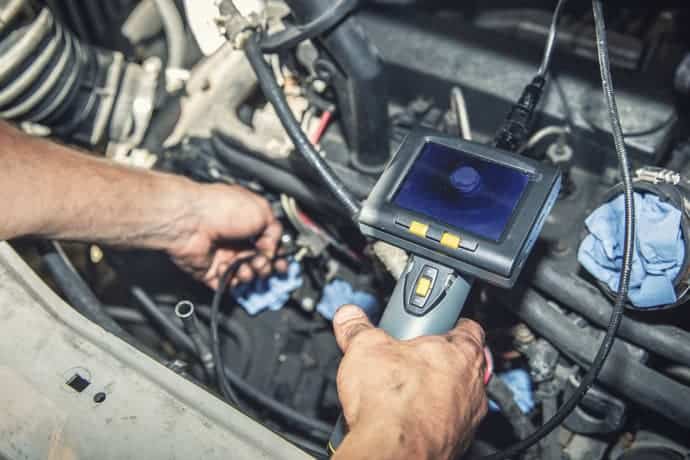
An endoscope consists of a camera on a flexible shaft with a display or USB plug. With an endoscope (literally: “inside viewer”) you can look into hard-to-reach areas in the engine compartment or into spaces such as the cylinder. In this way, wear, contamination or defects can be detected without having to dismantle many parts.
After removing a spark plug, the camera, fitted to a flexible shaft, can be guided inside. High-end endoscopes are equipped with an LCD screen and contain buttons to save screenshots to the SD card. Cheaper versions can be connected as a webcam to the USB port of the computer or even to a phone.
Examples of faults that can be detected with an endoscope are:
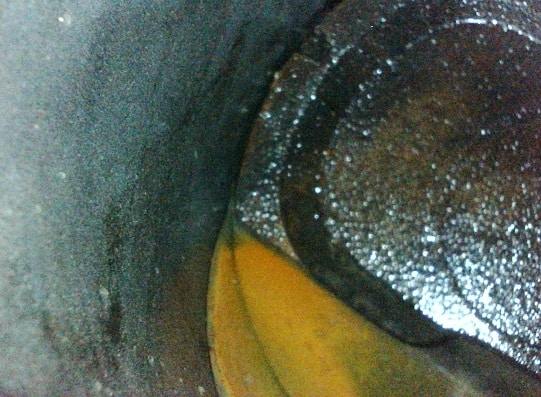
- a defective head gasket allowing coolant to enter the cylinder. Pressurise the cooling system to perform this check;
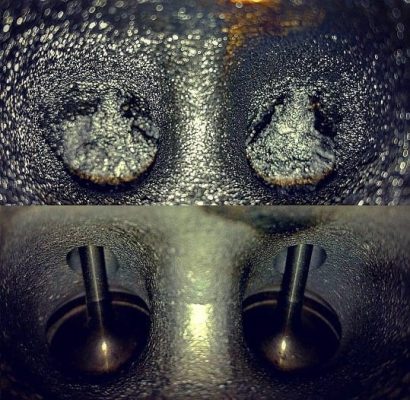
- contaminated intake valves can be detected by sliding the camera through the air intake hose into the intake manifold;
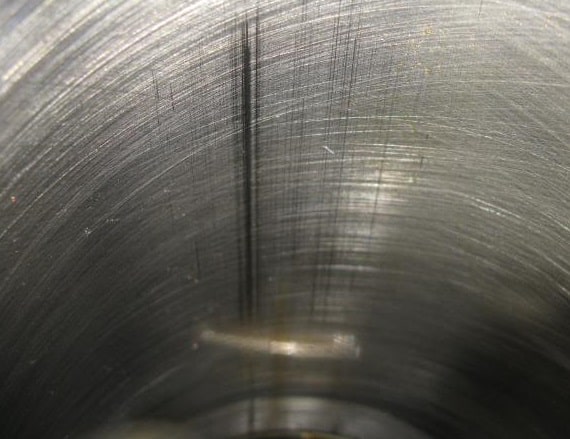
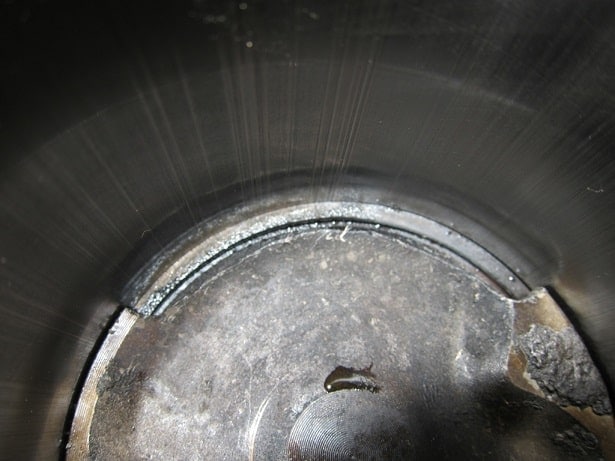
- scratches in the cylinder wall and piston damage can be detected by inserting the endoscope into the cylinder through the spark plug hole. To inspect the cylinder wall, the corresponding piston must be placed at BDC.