Introduction:
This page discusses the consequences for transport and mobility and outlines a number of alternatives that, as of 2021, show the path being taken towards environmentally friendly solutions. The drivetrains of passenger cars and commercial vehicles are increasingly being electrified to emit fewer or no harmful substances. The transition from fossil fuels to fully electric propulsion falls under the so‑called “energy transition”.
The European Union wants to ban the sale of vehicles with petrol and diesel engines from 2035 onwards. All new vehicles must be equipped with a fully electric drivetrain in the form of a BEV or with a fuel cell. A number of countries, including the Netherlands, intend to ban the sale of new vehicles with combustion engines as early as 2030. Countries such as France and Germany, on the other hand, strongly oppose these plans: they prefer a transition to hybrid drivetrains in order to significantly reduce fleet emissions, but not to fully electrify them.
Climate change:
It has been scientifically proven that climate change is caused by humans. Since the Industrial Revolution, especially from the 1950s onwards, fossil resources, such as oil and gas, have been burned on a large scale. The combustion of oil and gas has led to a huge increase in CO2. Research shows that CO2 emissions lead to global warming. Emissions of so‑called “greenhouse gases” are partly responsible for climate change. In the past 130 years, the temperature in the Netherlands has risen by 1.9 degrees Celsius. Worldwide, based on the current situation, the temperature by the end of this century is expected to rise to at least 1.8 and at most 6.4 degrees Celsius. Due to the warming air, the oceans are steadily warming up as well. Oceans cool down much less quickly than air, whose temperature can fluctuate to some extent.
The warming of the oceans leads to changes in warm‑water (gulf) currents. These currents are part of a global “conveyor belt” that circulates cold and warm water masses through all the oceans. The Gulf Stream transports a great deal of heat and is therefore important for the climate, especially for our mild Western European climate.
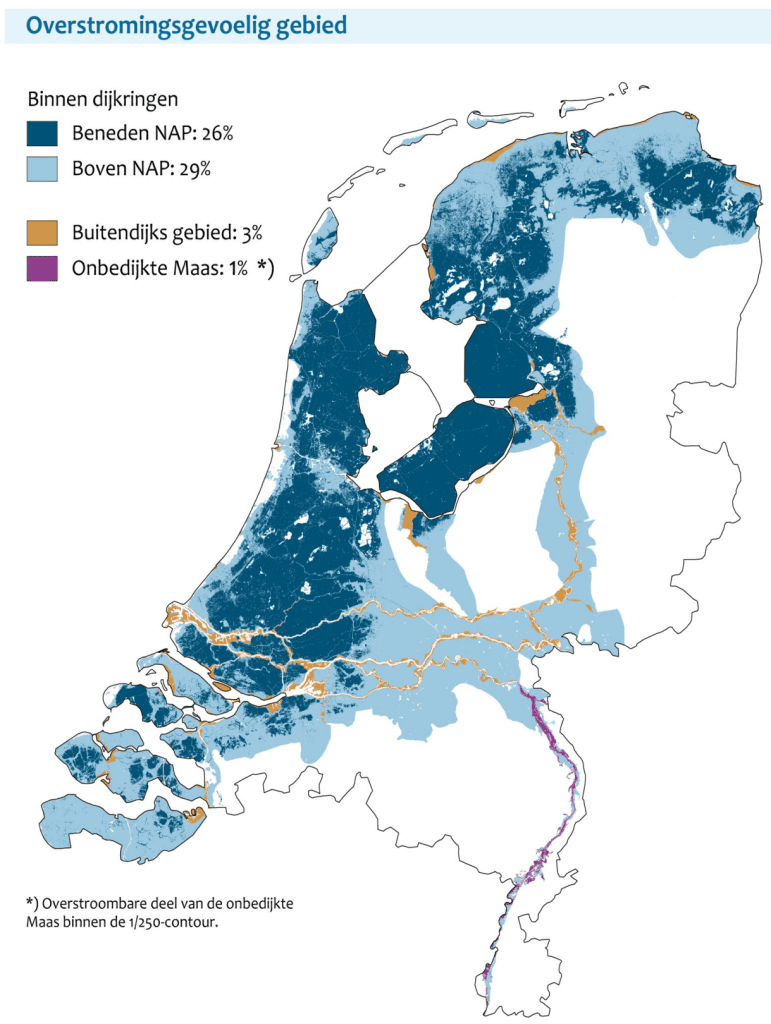
If this current is disturbed or collapses, the pressure difference between the north and south of the Atlantic Ocean will also disappear. As a result, the ocean level in the south will drop by half a metre and in the north it will rise by about half a metre. The rising sea level is worrying for our low‑lying Netherlands, where about 25% of the land lies below sea level (NAP).
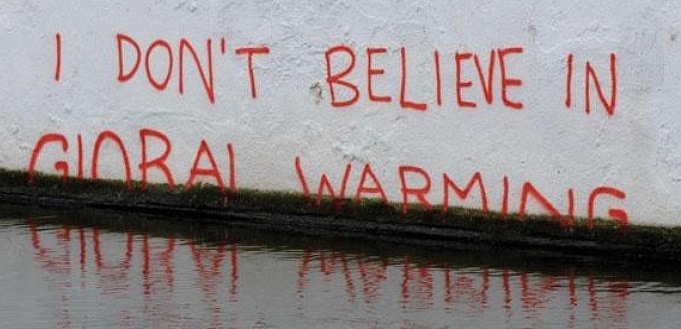
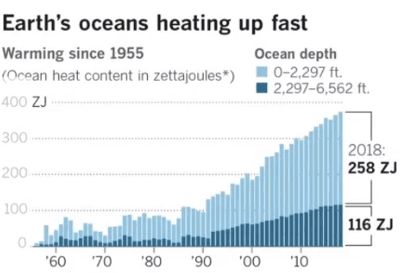
By the year 2150, sea level rise will amount to between 1 metre and 5 metres. Parts of the world will become uninhabitable due to the higher temperature and sea level rise. There will also be more severe weather, as storms, hurricanes and heavy rainfall will lead to flooding.
A large part of the Netherlands lies below sea level and is therefore
highly vulnerable to flooding. No less than 55% of the Netherlands is susceptible to flooding; 26 percent of the country lies below sea level and 29 percent is vulnerable to river flooding. With dikes to protect the coastal areas and storm surge barriers to hold back (temporary) high water levels, the risk of flooding is reduced.
Source: pbl.nl (consulted 02-2024)
Gases in the atmosphere:
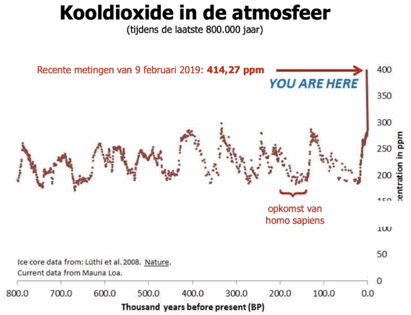
The following image shows a graph with the amount of carbon dioxide in the atmosphere, viewed from right to left from the present (0.0) to 800,000 years ago. The CO2 measurements were taken from ice cores at the North and South Poles. In the graph we see fluctuations in the amount of CO2 that have always occurred.
At the low points in the graph, an ice age was taking place. The last ice age was about 12,000 years ago. After that, the graph went steeply upwards, whereas it should actually have remained level or declined. In this period we should actually have had a lower temperature, contrary to what is often claimed: that it should have become warmer. The temperature graph is now shooting up to an extreme height (indicated with “You are here”). Due to melting ice, such measurements are becoming increasingly difficult to carry out.
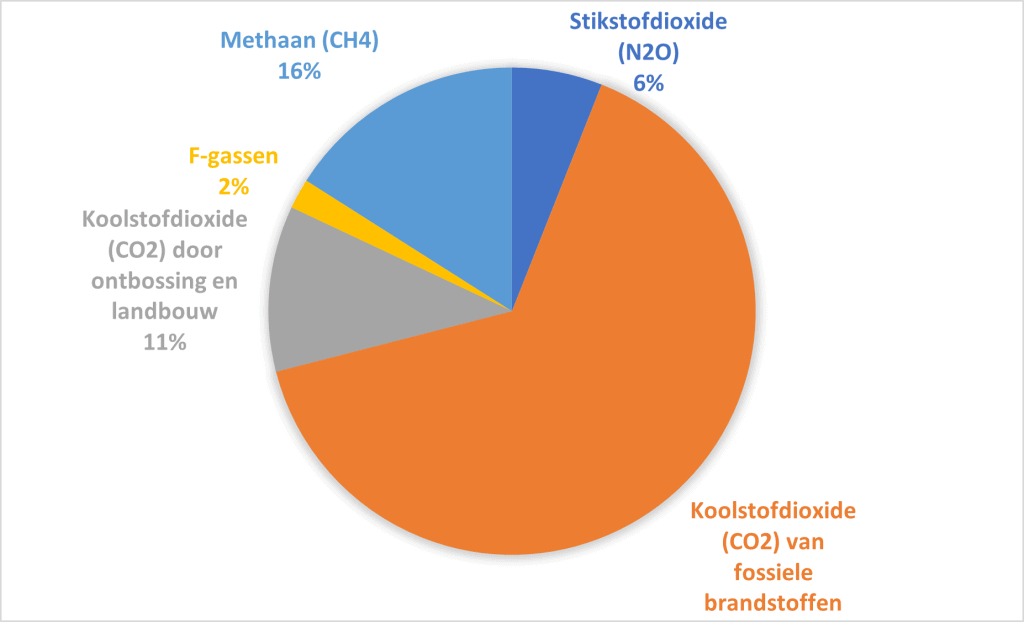
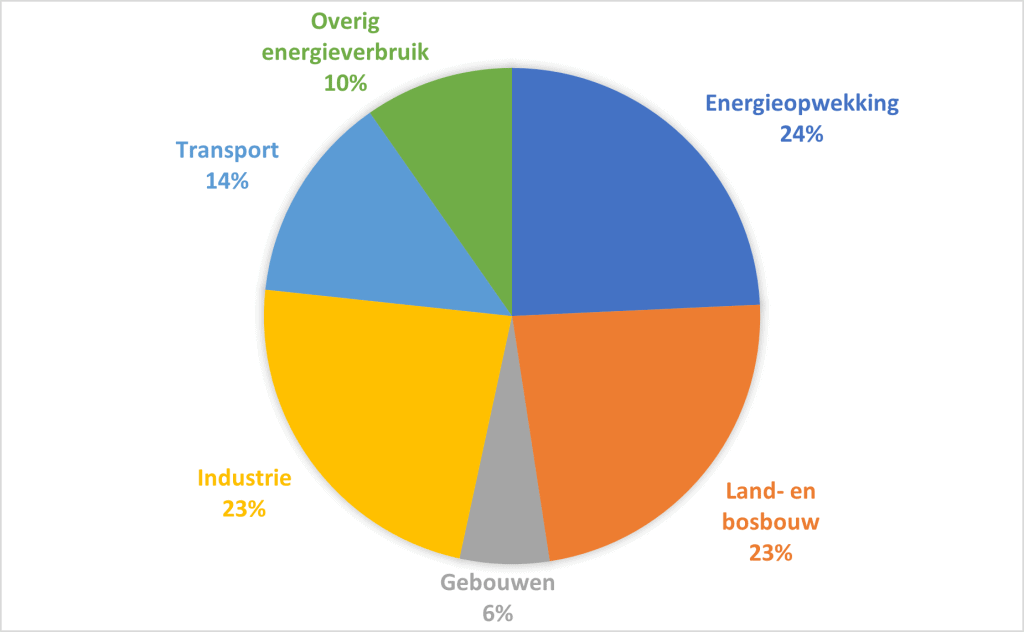
The diagrams below show the amount of harmful gases emitted worldwide (left) and CO2 emissions per sector (right). On this page we focus on transport, which accounts for 14% of total CO2 emissions (as of 2021).
Climate Agreement:
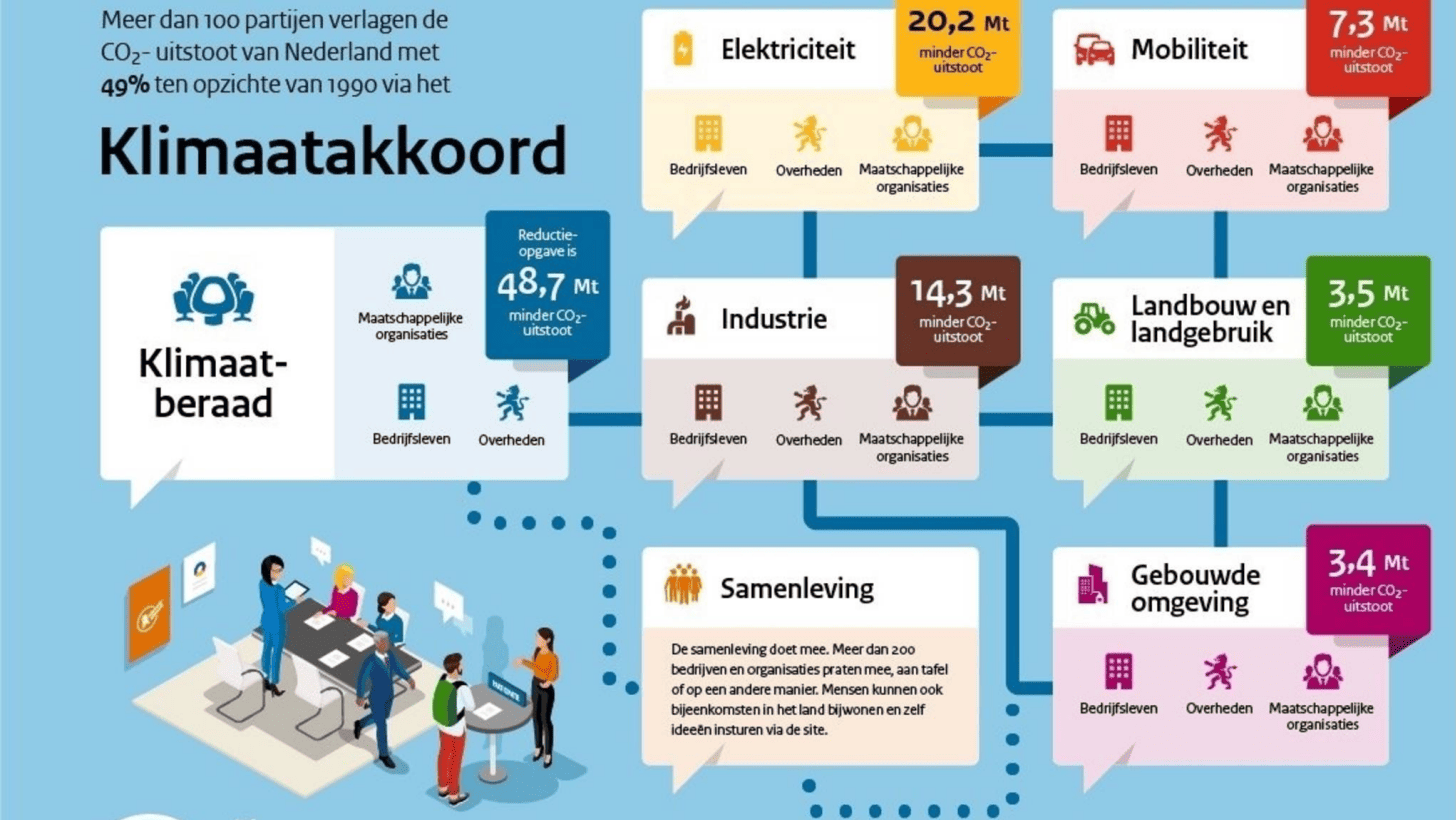
In the Paris Climate Agreement, 195 countries worldwide agreed to significantly reduce CO2 emissions by cutting back on fossil fuels. According to the Dutch Climate Agreement of 2019, the goal is to reduce CO2 emissions by 49% by 2030 (raised to 55% due to EU policy). Concrete steps are being taken, such as stricter emission standards for cars. The Netherlands is also aiming for a reduction of 20.2 megatonnes of CO2 emissions. This figure refers to the intended reduction over a specific period and is intended to lower total greenhouse gas emissions and limit climate change. The target concerns various sectors, including energy production, transport and industry.
Impact on the mobility sector:
The climate targets set by governments are forcing car manufacturers to further and further reduce the harmful exhaust emissions of combustion engines. An important factor here is CO2 emissions. In addition, more and more countries are introducing plans to ban the sale of vehicles with combustion engines between 2030 and 2040. This is driving a transition to electrified drivetrains:
- hybrid (partly electric in combination with a combustion engine);
- fully electric;
- hydrogen and fuel cell.
The maximum emissions of cars (measured in CO2 per kilometre) are becoming increasingly stringent. Car manufacturers that do not meet these targets risk substantial fines (in 2021: 95 grams of CO2 per kilometre, in 2030: 59.3 grams of CO2 per kilometre). More and more cities are introducing environmental zones where polluting cars are not allowed. From 2035, only ‘zero‑emission’ new cars will be permitted in the Netherlands, which means they must be battery‑electric or hydrogen‑electric.
Vehicles with a fully electrified drivetrain have no exhaust from which harmful exhaust gases emerge. These vehicles are labelled as “green”. Their range is often limited (80 to 300 km) and charging times to recharge the battery pack are long.
Partially electrified vehicles, such as hybrids, are ideal for driving longer distances. In urban traffic one can drive fully electric, or have electric assistance for the combustion engine to achieve lower fuel consumption. On the motorway the combustion engine takes over and you can travel abroad on holiday without worries and without long charging times.
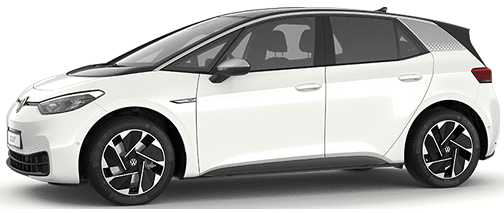
But how clean and green is a fully electric car, really? Opinions on this differ greatly. The undersigned points out factual information in an objective way.
A fully electric car is not climate neutral. There are both direct particulate emissions (brakes, tyres) and indirect emissions of nitrogen oxides (CO2 and NOx). Various studies do show that a fully electric car is cleaner over its entire life cycle than a car that runs on fossil fuels.
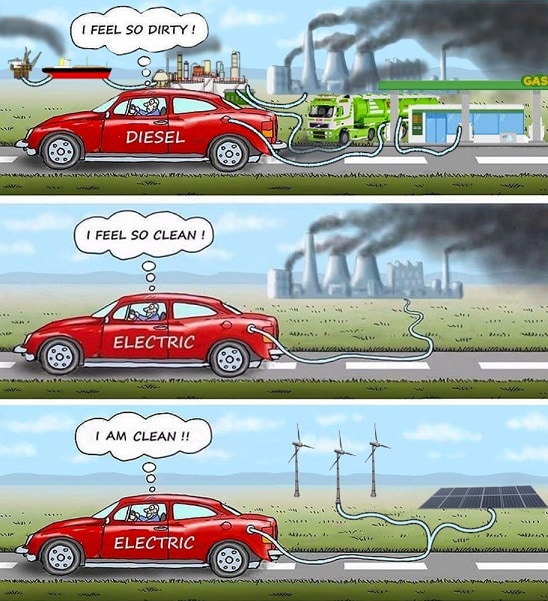
For the CO2 emissions of a fully electric car, 0 grams per kilometre is stated. This is the result of the WLTP test. There are no direct emissions. In the Netherlands, as of 2021, only a limited amount of “green” energy is generated, coming from wind turbines and solar panels. Most electricity is produced by burning gas and coal. This leads to the humorous illustrations below, which unfortunately do contain a grain of truth.
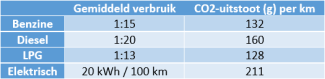
A fair comparison with fuel cars is only possible when the emissions required to produce the electricity are included. In addition, the production of batteries and electric motors requires a lot of CO2 and often relies on scarce raw materials. In the table below we see the amount of CO2 emissions per litre of petrol, diesel and LPG.

For the CO2 emissions of a fully electric car, 0 grams per kilometre is stated. This is the result of the WLTP test. There are no direct emissions, but CO2 is released when generating the electrical energy. One kilogram of coal produces a maximum of 3.5 kWh, and its combustion releases as much as 3.6 kg of CO2.
According to the WTW methodology, all CO2 generated during the exploration, extraction, transport and storage of coal is attributed to the CO2 emissions of coal. This brings the emissions to 4.4 kg of CO2 per kg of coal.
We are now looking only at the total emissions during combustion, because according to the WTW methodology, petrol and diesel also produce CO2. We see that, given the average consumption of the vehicles concerned, the CO2 emissions per kilometre for an electric vehicle are many times higher than for those running on fossil fuels. Source: AMT 5-2021
Green energy:
No CO2 is emitted during the generation of green energy. In the future, we will increasingly replace grey energy (from coal) with green energy generated by wind or solar power.
Only when all our electricity is generated from green energy will driving a fully electric vehicle be clean and “zero emission”.
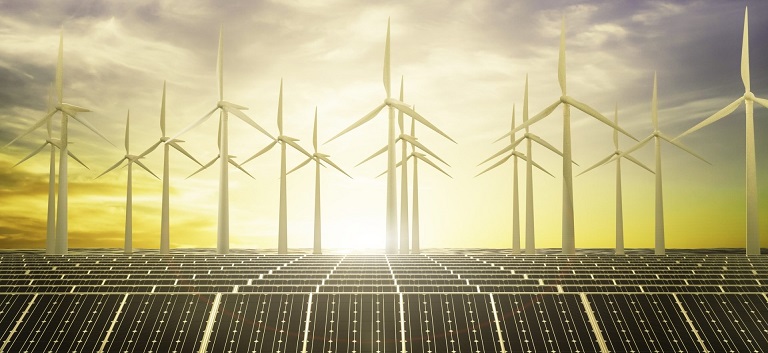
Below are listed facts about solar energy and wind energy.
Solar energy on land:
- 6,000,000 kWh/year = 44,000 m2, i.e. 136 kWh / m2
- More predictable patterns and seasonal dependence.
- Quite scalable;
- Often easy to make “invisible” on top of buildings or as a replacement for roof tiles.
Wind energy on land and at sea:
- 60,000,000 kWh/year (190,000 m2), i.e. 32 kWh / m2;
- Less seasonal dependence;
- High power per unit;
- Horizon pollution;
- Require a lot of space (5x rotor diameter) to prevent turbulence between the individual rotor blades.
In summary, the energy yield of solar power per square meter is higher than that of wind power. But because solar intensity varies greatly over time and there is almost always wind (day, night, summer and winter), the output from wind is almost constant. Solar panels are relatively easy to install discreetly and to expand, whereas wind turbines are a source of annoyance for people who live nearby or can no longer enjoy an unobstructed view over a natural area.